There’s a special kind of heartbreak that comes after leaving someone you know wasn’t good for you. You’ve deleted their number, blocked their socials, maybe even burned the hoodie — but they still live rent-free in your mind.
You replay every memory, wonder if they ever think about you, and feel this invisible thread tugging at your heart no matter how far you run.
You start to question yourself: Why can’t I let this go? But the truth is — you’re not crazy, and you’re not weak. You’re attached. And attachment isn’t just emotional — it’s biological, energetic, and spiritual.
Understanding the Chemistry of Attachment
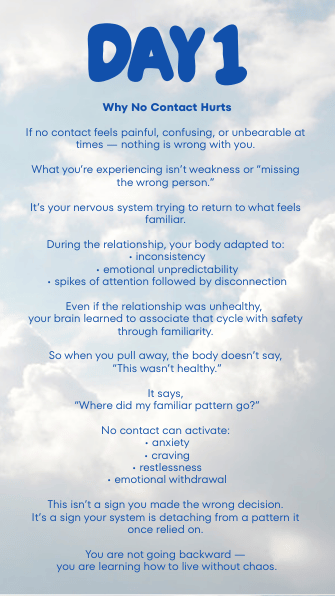
Toxic relationships work like an addiction. When you’re caught in the cycle of highs and lows — love-bombing, withdrawal, crumbs of affection — your brain releases dopamine and oxytocin in unpredictable bursts. That inconsistency wires you to crave the next “high,” even when you know it hurts.
Letting go means breaking a pattern your brain has mistaken for safety. And that takes time, not willpower.
Recognize Trauma Bonds for What They Are
A trauma bond is what forms when pain and love get tangled together. You start to confuse intensity for intimacy. The more they hurt you — followed by moments of affection or apology — the deeper the bond becomes.
Healing starts when you can name it:
“This wasn’t love. It was survival disguised as connection.”
Once you call it what it is, the illusion begins to unravel.

Stop Seeking Closure From the Source of the Pain
You’ll never get peace from the same person who stole it. Every time you go back for answers, you reopen the wound. The closure you’re searching for will come when you decide to stop negotiating your peace.
Write the goodbye letter you’ll never send. Say the things your heart needs to release — and then burn it, tear it, or bury it in the sand. That’s closure. From you, for you.
Let Your Nervous System Catch Up to Your Decision
Even when your mind knows it’s over, your body might still be in panic mode. You miss them because your nervous system is detoxing from the adrenaline rush of chaos.
Soothing that response looks like:
- Deep, rhythmic breathing (especially longer exhales).
- Grounding in nature — touch the earth, feel the sun, move your body.
- Consistent self-soothing rituals: journaling, hot baths, early nights, gentle music.
You’re teaching your body that peace is not the same as boredom. It’s safety.
Stop Feeding the Fantasy
Attachment grows in the imagination. When you miss them, your mind replays the highlight reel, not the whole movie. Remind yourself: those sweet moments existed inside a bigger story that hurt you. The person who once made you feel safe is the same one who made you doubt your worth.
Let go of who you hoped they’d be — that version only lived in your dreams.
Shift the Focus From Them to You
Every time you catch yourself analyzing their actions, pull the spotlight back to your own healing. Ask:
“What part of me is still seeking validation here?”
“What does my energy need right now — closure or comfort?”
Start pouring the love you gave them back into your own life. Self-devotion ends the obsession.

Detach With Compassion
Letting go doesn’t mean erasing the past or pretending it didn’t matter. It means accepting that love can exist without longevity. You can forgive them, honor the lesson, and still never speak again. You’re not cruel — you’re choosing peace over pain.
Call Your Energy Back
Visualize every memory, every tear, every sleepless night — and whisper:
“I call my power back from this person, with love and release.”
Your energy doesn’t belong scattered in the past. It belongs here, with the version of you that’s rising.
Create New Emotional Anchors
Your brain needs new things to associate with calm and pleasure. Fill your days with nourishing rituals: morning walks, music, art, movement, time with safe people, and things that make you feel alive again. Every new joy rewires your attachment to peace instead of pain.
Let Time and Grace Do Their Work
Healing isn’t linear — some days you’ll feel free, others you’ll miss them again. But every time you choose not to reach out, not to check, not to go back — you reclaim a piece of yourself.
One day, you’ll wake up and realize the thread is gone. Not because they changed, but because you did.